From airport-adjacent properties in Philadelphia to full-service resorts in Colorado Springs, business hotels across the United States vary dramatically in what they deliver. This guide breaks down 8 verified options - covering connectivity, meeting infrastructure, dining access, and location logic - so you can book with confidence and arrive ready to work.
What It's Like Staying in the United States for Business
The U.S. is the largest business travel market in the world, and the infrastructure reflects that - most mid-range and upper-tier hotels are built around the working traveler, not just the leisure guest. Cities like Austin, Philadelphia, Colorado Springs, and Myrtle Beach each attract distinct professional segments: tech and government contracting, healthcare conferences, military-adjacent industries, and hospitality trade events. Interstate connectivity is a genuine advantage, with most business-oriented hotels positioned near major highways, convention centers, or domestic airports with frequent departures. That said, car dependency outside major metros means arriving without a rental adds friction to daily logistics - Uber surge pricing near convention centers during peak event weeks can catch travelers off guard.
Pros:
- Widespread hotel loyalty programs (Marriott Bonvoy, IHG One, Hilton Honors) with business-tier perks like late checkout and room upgrades
- Most U.S. business hotels include free WiFi, fitness centers, and on-site business centers as standard - no upcharge
- Domestic flight networks are dense, making multi-city business trips easier to sequence than in most countries
Cons:
- U.S. hotel taxes and resort fees can add around 20% on top of the advertised nightly rate - always check the final price
- Public transit from hotels to downtown business districts is inconsistent outside of New York, Chicago, and DC
- Food and beverage costs at on-site restaurants skew high - budget for that if expensing is limited
Why Choose a Business Hotel in the United States
Business hotels in the U.S. are structurally distinct from leisure or boutique properties - they're built around predictability, speed, and professional amenity stacks. Expect 24-hour front desks, in-room work desks, flat-screen TVs with cable, reliable high-speed WiFi, and breakfast service that starts early enough for an 8am meeting. Extended-stay formats like Residence Inn and Candlewood Suites include full kitchenettes, which significantly cut per diem costs on multi-night trips. Compared to European business hotels, U.S. properties tend to offer more parking, larger rooms, and more consistent gym access - but fewer are walkable to city centers.
Main advantages of business hotels in the USA:
- Kitchenette-equipped rooms at extended-stay properties reduce food costs on stays longer than 3 nights
- Business centers with printing, scanning, and meeting space are standard at most flagged properties
- Airport shuttle service at select hotels eliminates ground transport costs on arrival and departure days
Main trade-offs of this category:
- Chain-format business hotels can feel formulaic - layouts, decor, and dining menus are often near-identical across locations
- Properties near airports or convention centers price up around 40% during major event weeks
- Limited late-night dining options at suburban business hotels - on-site restaurants typically close by 10pm
Practical Booking & Area Strategy for U.S. Business Travel
Location strategy matters more in the U.S. than in most markets because driving distances are significant - a hotel that looks close on a map can still be 25 minutes from a downtown convention center in traffic. Philadelphia's airport corridor is a strong example: properties within 2 km of PHL Airport serve early-morning flight schedules without requiring a 5am rideshare, but they're over 10 km from Center City meeting venues. Austin positions differently - the Austin Marriott South sits under 10 km from both the Austin Convention Center and Austin-Bergstrom International Airport, making it one of the more efficient dual-purpose locations in this guide. Colorado Springs draws a specific business segment tied to military contractors, aerospace, and government work near Peterson Space Force Base and the Air Force Academy; hotels on the north I-25 corridor give fast access without city-center pricing. Branson, Missouri, while primarily a leisure destination, hosts a consistent conference circuit through its theater and entertainment venues - business travelers there are typically in the events or hospitality industries. Book at least 3 weeks ahead for properties near convention centers during spring and fall conference seasons, when rates spike sharply.
Extended-Stay & Airport Business Hotels
These properties are built for travelers who need more than a bed - expect full kitchens, consistent shuttle logistics, and high-frequency airport access that removes ground transport friction from the equation.
-
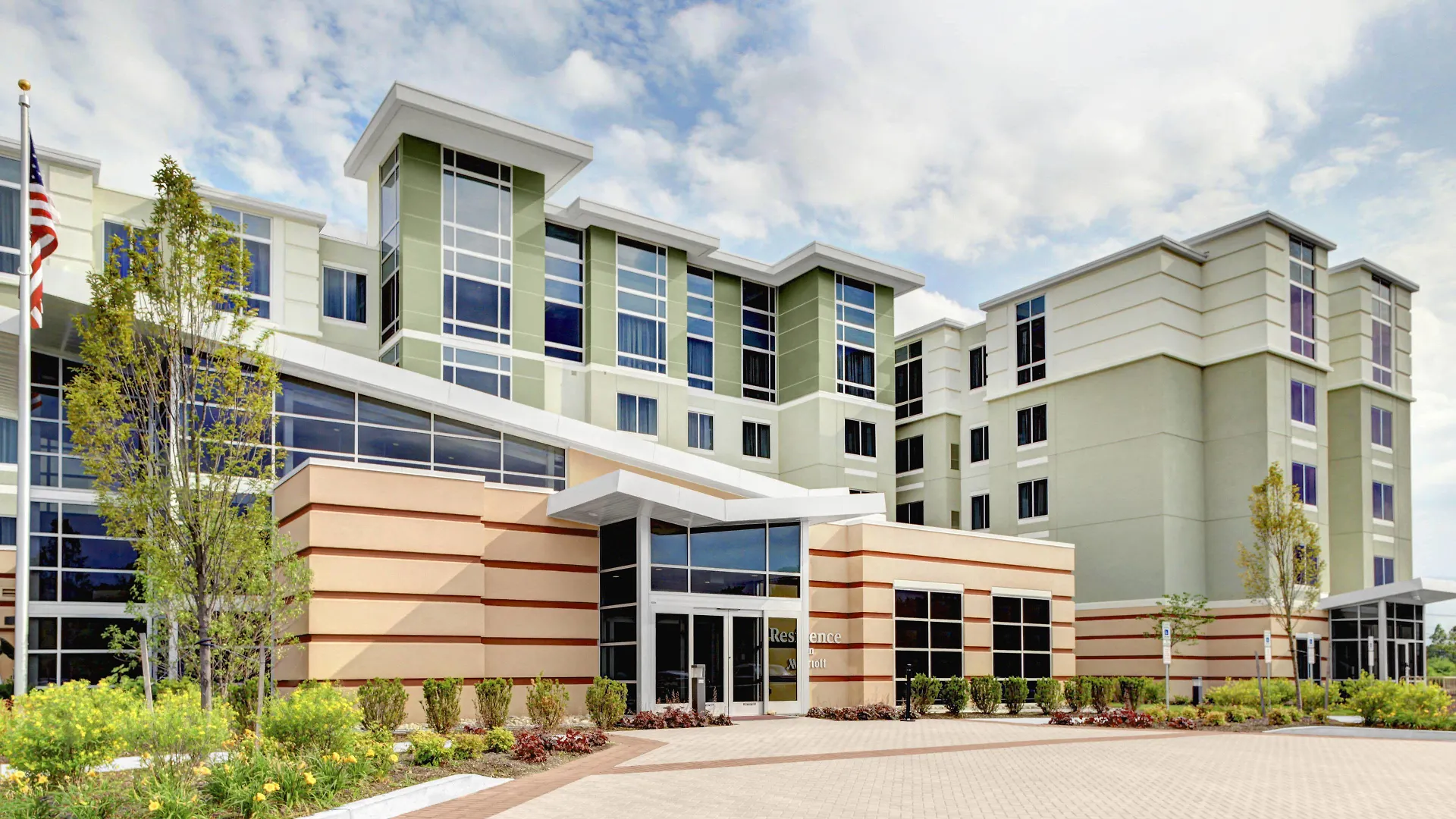
1. Residence Inn By Marriott Philadelphia Airport
Show on map


 Check-infrom 15:00 until 23:59Check-outuntil 12:00
Just a few rooms left at the best rate!
fromUS$ 169
-
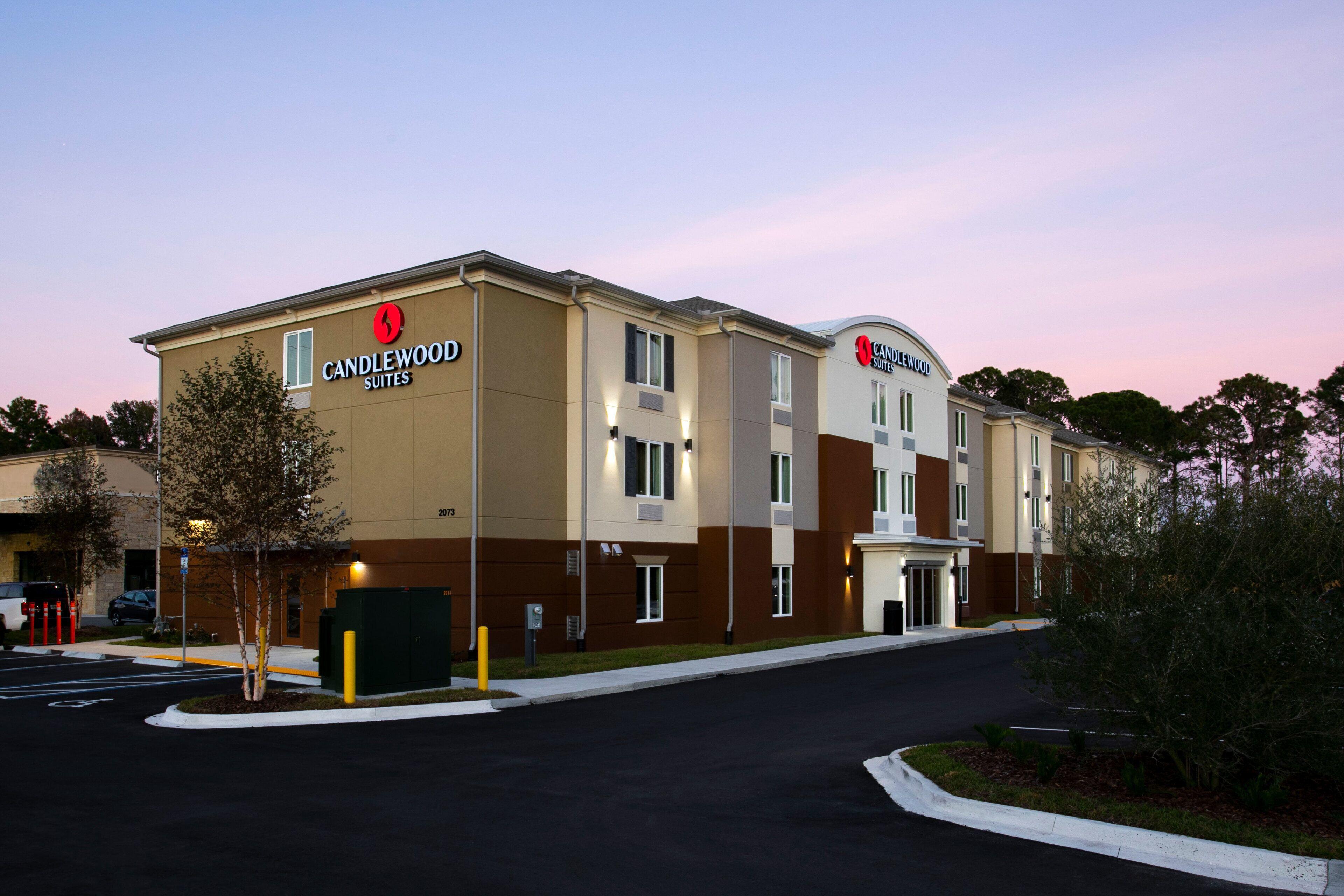
2. Candlewood Suites - Jacksonville - Mayport By Ihg
Show on map


 Check-infrom 15:00 until 23:59Check-outuntil 11:00
Just a few rooms left at the best rate!
fromUS$ 124
Full-Service Business Hotels in City & Suburban Corridors
These properties offer the broadest range of business amenities - from on-site dining and conference-ready business centers to branded breakfast service and fitness infrastructure - placed in markets where professional demand is consistent year-round.
-
3. Austin Marriott South
Show on map


 Check-infrom 15:00 until 23:59Check-outuntil 12:00
Just a few rooms left at the best rate!
fromUS$ 139
-
4. Springhill Suites By Marriott Myrtle Beach Oceanfront
Show on map


 Check-infrom 16:00 until 23:59Check-outuntil 11:00
Hurry – almost gone at this price!
fromUS$ 450
-
5. Best Western Music Capital Inn
Show on map


 Check-infrom 16:00 until 23:59Check-outuntil 11:00
Hurry – almost gone at this price!
fromUS$ 110
Business Hotels in Colorado Springs
Colorado Springs hosts a concentrated cluster of military, aerospace, and government-adjacent industries - Peterson Space Force Base, NORAD, and the U.S. Air Force Academy all generate consistent professional travel demand. These three properties cover different positioning within the city.
-
6. The Broadmoor
Show on map


 Check-infrom 16:00 until 23:59Check-outuntil 12:00
Hurry – almost gone at this price!
fromUS$ 210
-
7. Hampton Inn & Suites Colorado Springs-Air Force Academy/I-25 North
Show on map


 Check-infrom 15:00 until 23:59Check-outuntil 11:00
Rooms filling fast – secure the best rate!
fromUS$ 101
-
8. Best Western Plus Fillmore Inn & Suites
Show on map


 Check-infrom 16:00 until 23:59Check-outuntil 11:00
Rooms filling fast – secure the best rate!
fromUS$ 244
Smart Travel & Timing Advice for Business Hotels in the USA
Booking timing for U.S. business hotels follows a predictable but aggressive pattern. Spring (March-May) and fall (September-November) are peak conference seasons across most U.S. markets - convention center cities like Austin, Philadelphia, and Myrtle Beach see rates climb sharply during those windows, and properties within shuttle or walking distance of major venues can sell out 4 to 6 weeks in advance. Summer is softer for pure business travel in most non-resort markets, and rates typically drop - Colorado Springs is an exception because of the leisure crossover with Rocky Mountain tourism. Branson's peak runs from late spring through October due to its entertainment calendar, which compresses availability for conference-adjacent guests. For last-minute business bookings, Sunday and Monday arrival nights typically offer the lowest mid-week rates because corporate demand peaks Tuesday through Thursday. Extended-stay properties like Candlewood Suites and Residence Inn often offer lower nightly rates on stays of 5 or more nights - if your assignment is a full work week, booking the full block is almost always cheaper than booking night by night. Plan for around 3 nights minimum to justify the logistics of check-in, local orientation, and meaningful work output before departure.