Two-star hotels in the United States cover an enormous range of real-world experiences - from no-frills roadside motels along Florida's I-95 corridor to locally-run inns near Colorado's most visited natural landmarks. This guide breaks down 9 properties across multiple states, with practical detail on what each one actually delivers, where it sits, and how it fits into a broader US trip.
What It's Like Staying in the United States
The United States spans six time zones and an extraordinary mix of landscapes - from the Rocky Mountains and Sonoran Desert to the Florida coastline, Ozark plateau, and urban sprawl of Los Angeles. For budget travelers, this geographic diversity is both an asset and a logistical challenge: a 2-star hotel in Kissimmee near Orlando's theme parks operates in a completely different environment than one in Angels Camp in California's Gold Country foothills. Hotel quality at the budget level varies significantly by region, with Sun Belt destinations like Florida and Texas generally offering more competitive nightly rates due to high supply. Crowd patterns are seasonal and location-driven - coastal Florida peaks in winter, Colorado surges in summer for hiking and in winter for skiing, and Branson, Missouri draws its heaviest attendance from late spring through October.
Pros:
- The US has one of the highest densities of budget hotel inventory in the world, giving travelers genuine options across almost every major destination
- Free parking is standard at most 2-star properties, a meaningful cost difference versus European equivalents
- Driving infrastructure makes budget hotels outside city centers genuinely practical - major attractions are typically accessible within a short drive
Cons:
- Room sizes and quality are inconsistent; a 2-star rating in the US is self-reported and not standardized, so expectations need to be set per-property
- Public transit access is limited at most budget hotel locations, making a rental car near-mandatory in most states featured here
- Amenities described online (pools, breakfast) are sometimes seasonal or restricted - always verify before booking
Why Choose 2-Star Hotels in the United States
In the US, 2-star hotels typically price between $60 and $110 per night depending on the state and season, compared to 3-star properties that often start around $130 in the same markets. The gap is meaningful for multi-night or multi-city road trips. Most 2-star US hotels include free parking, free WiFi, and basic in-room kitchen equipment (microwave, mini-fridge) - a combination that enables self-catering and reduces daily spend. Room sizes at this category often hover around 25-30 square meters, which is functional for 1-2 people but can feel cramped for families without selecting a designated family room. The trade-off is location: budget properties are frequently positioned along highway corridors or at the edge of tourist zones rather than walkable city centers, which adds driving time but often cuts nightly costs by around 40% versus downtown options.
Pros:
- In-room microwaves and mini-fridges are nearly universal, reducing restaurant dependency on longer stays
- Free private parking eliminates a cost that can reach $30-$50 per night at urban 3-star or 4-star alternatives
- Many 2-star US properties include outdoor pools, a facility that would carry a premium at higher categories in European markets
Cons:
- Soundproofing quality is inconsistent - highway-adjacent properties can generate significant overnight noise
- On-site dining is rare; most properties have vending machines at best, making meal logistics dependent on nearby restaurants
- Seasonal pool closures are common - outdoor pools at properties in Branson, Kissimmee, or Colorado Springs may be unavailable outside peak months
Practical Booking & Area Strategy
Choosing the right city as your base matters as much as the hotel itself. Kissimmee consistently offers some of the most competitive nightly rates near Florida's major theme park corridor, while Daytona Beach gives access to both a major motorsport venue and Atlantic coastline within minutes. In Colorado, Colorado Springs is a strategically underrated base: it puts Garden of the Gods (free entry), Pikes Peak, and Cave of the Winds all within 15 minutes' drive, at nightly rates far below Denver. Branson, Missouri operates almost entirely as a self-contained entertainment district - staying 2-3 km from the main strip means walkable or short-drive access to theaters, the Titanic Museum, and Silver Dollar City. Angels Camp in California's Calaveras County is a genuine hidden gem: a Gold Rush-era town in the Sierra Nevada foothills, closer to Yosemite's eastern approach roads than most travelers realize, and with hiking access directly from town. For the Los Angeles area, budget motels near LAX offer the advantage of proximity to the airport and are within driving range of LACMA, the Getty Center, and Santa Monica, though traffic management is essential to any itinerary.
Florida Budget Stays: Daytona Beach & Kissimmee
Florida's 2-star inventory is shaped by two distinct markets - coastal motorsport and beach tourism around Daytona, and the theme park economy around Kissimmee. Both cities offer strong value relative to their proximity to high-demand attractions.
-
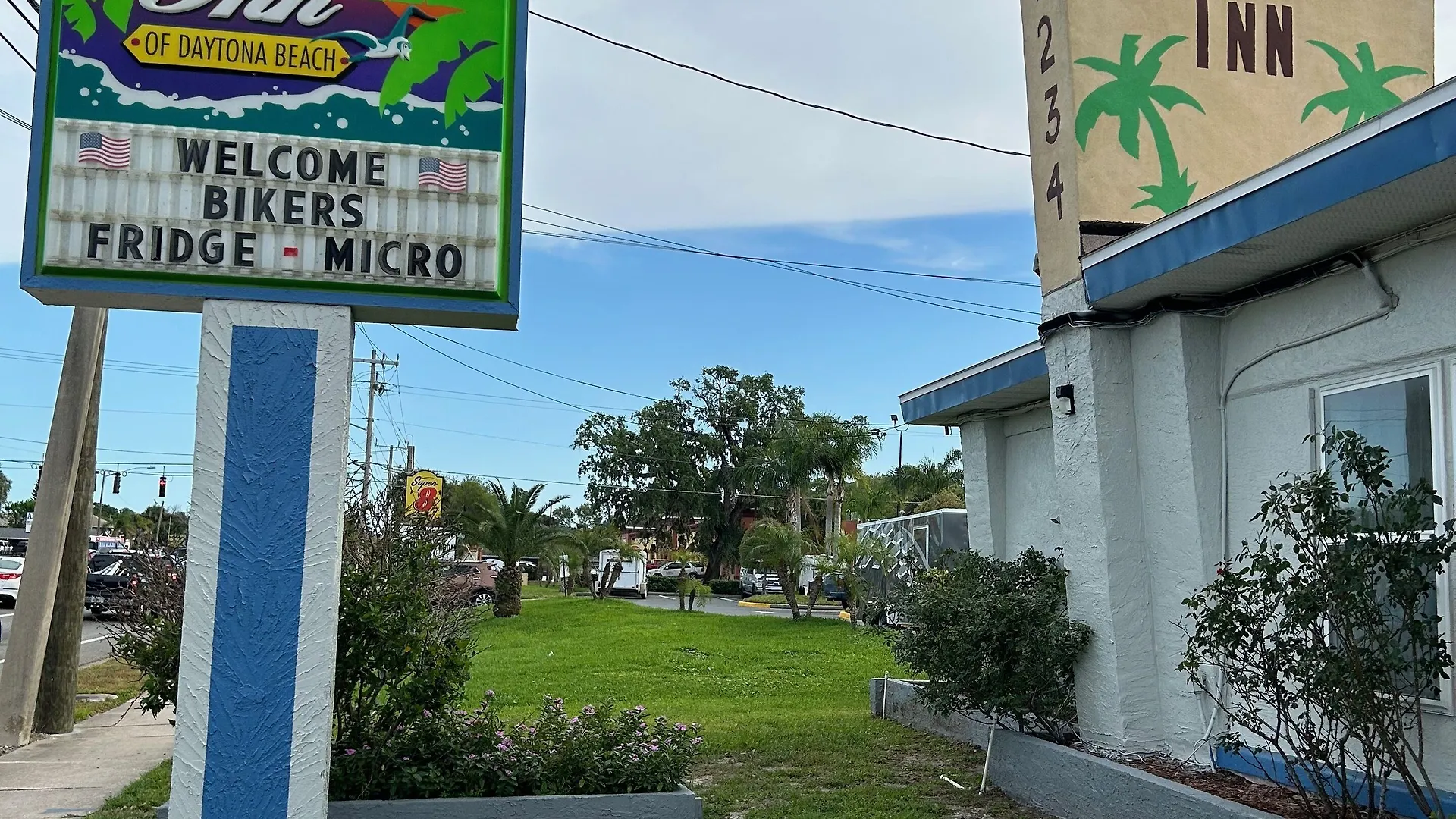
1. Sunshine Inn Of Daytona Beach
Show on map


 Check-infrom 14:00 until 18:00Check-outfrom 09:00 until 10:00
Just a few rooms left at the best rate!
fromUS$ 100
-
2. Sunshine Inn
Show on map


 Check-infrom 15:00 until 23:59Check-outuntil 11:00
Just a few rooms left at the best rate!
fromUS$ 41
Colorado Springs: Two Properties, Two Experiences
Colorado Springs at the 2-star level offers a rare combination - proximity to nationally significant natural landmarks and nightly rates that remain competitive even during summer peak. The two properties here represent very different approaches to the same market.
-
3. Holiday Inn Express & Suites Colorado Springs Central By Ihg
Show on map


 Check-infrom 15:00 until 23:59Check-outuntil 12:00
Just a few rooms left at the best rate!
fromUS$ 217
-
4. Buffalo Lodge Bicycle Resort - Amazing Access To Local Trails & The Garden
Show on map


 Check-infrom 15:00 until 20:00Check-outfrom 07:00 until 10:00
Hurry – almost gone at this price!
fromUS$ 119
Branson, Missouri: Entertainment District Budget Options
Branson operates as one of the most concentrated live entertainment destinations in the US, with over 100 live performance venues in a compact area. Both properties here sit within a short drive of the main theater strip and key attractions.
-
5. Ozark Valley Lodge
Show on map


 Check-infrom 15:00 until 18:00Check-outfrom 08:00 until 11:00
Hurry – almost gone at this price!
fromUS$ 98
-
6. Red Roof Inn Branson
Show on map


 Check-infrom 15:00 until 23:59Check-outuntil 11:00
Hurry – almost gone at this price!
fromUS$ 51
California & Texas Budget Picks
The remaining three properties cover distinct US markets: the Los Angeles metro area, the California Sierra Nevada foothills, and the Dallas suburban corridor - each with its own logistical logic for budget travelers.
-
7. Galaxy Inn
Show on map


 Check-infrom 14:00 until 23:59Check-outuntil 11:00
Rooms filling fast – secure the best rate!
fromUS$ 120
-
8. Angels Inn
Show on map


 Check-infrom 15:00 until 21:00Check-outfrom 09:00 until 11:00
Rooms filling fast – secure the best rate!
fromUS$ 102
-
9. Extended Stay America Suites - Dallas - Frankford Road
Show on map


 Check-infrom 15:00 until 23:59Check-outuntil 11:00
Rooms filling fast – secure the best rate!
fromUS$ 48
Smart Travel & Timing Advice
Timing a US trip around budget hotel availability requires understanding how sharply prices spike in each region's peak season. In Florida's Kissimmee and Daytona Beach markets, winter (December through March) is high season - rates can rise by around 35% compared to summer shoulder months when humidity is highest. Colorado Springs peaks in summer (June-August) for hiking and outdoor activities, and again around December-February for ski-adjacent travelers; booking at least 6 weeks ahead during these windows is advisable for the better-value properties. Branson's peak runs May through October, with the highest demand concentrated around July 4th and fall foliage weeks in October - those two windows see properties fill fastest and last-minute availability shrink considerably. The Los Angeles area operates with less pronounced seasonality at the budget level, though awards season (January-February) and summer drive the LAX-adjacent market. For most of the properties in this guide, a stay of 2-3 nights is optimal for destination-based trips, while the Dallas Extended Stay property is structured for 5 nights minimum to see rate advantages. Booking 4-6 weeks ahead during regional peak periods is the most reliable strategy for securing the listed properties at base rates; last-minute availability exists in off-peak windows but room selection narrows significantly.